The Ungentle Hum: Drones and Death from Above in Ukraine
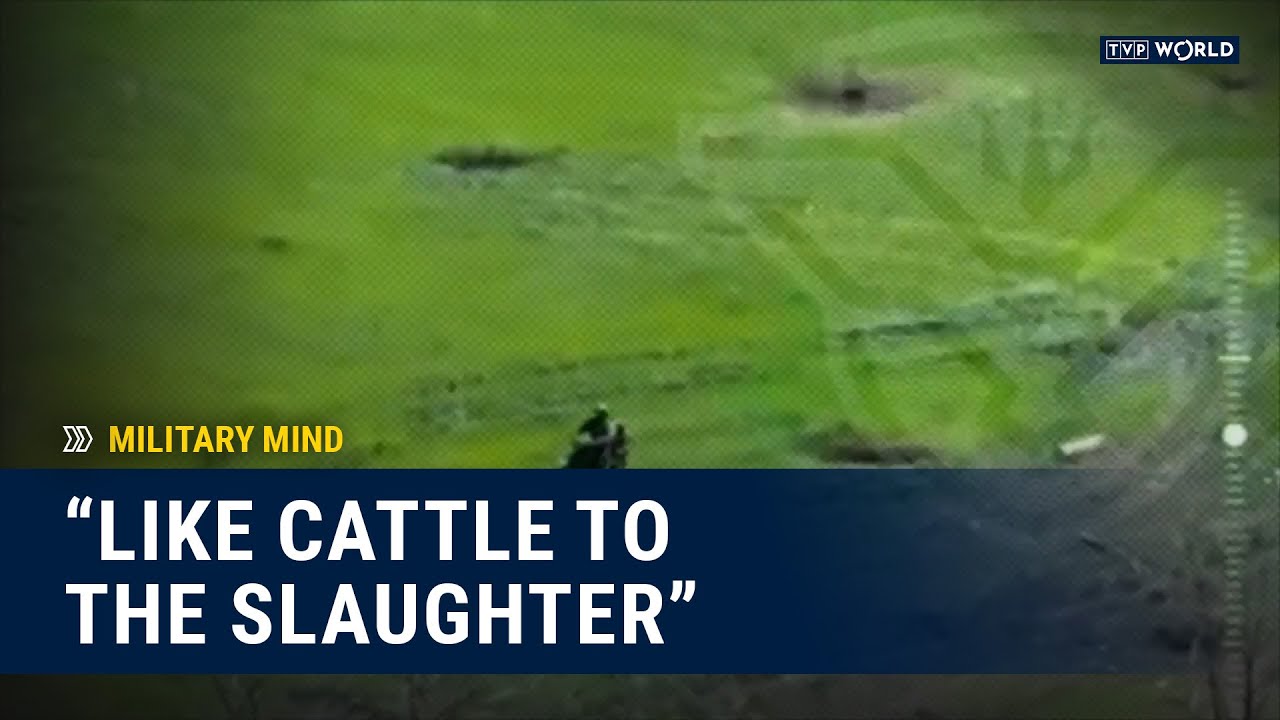
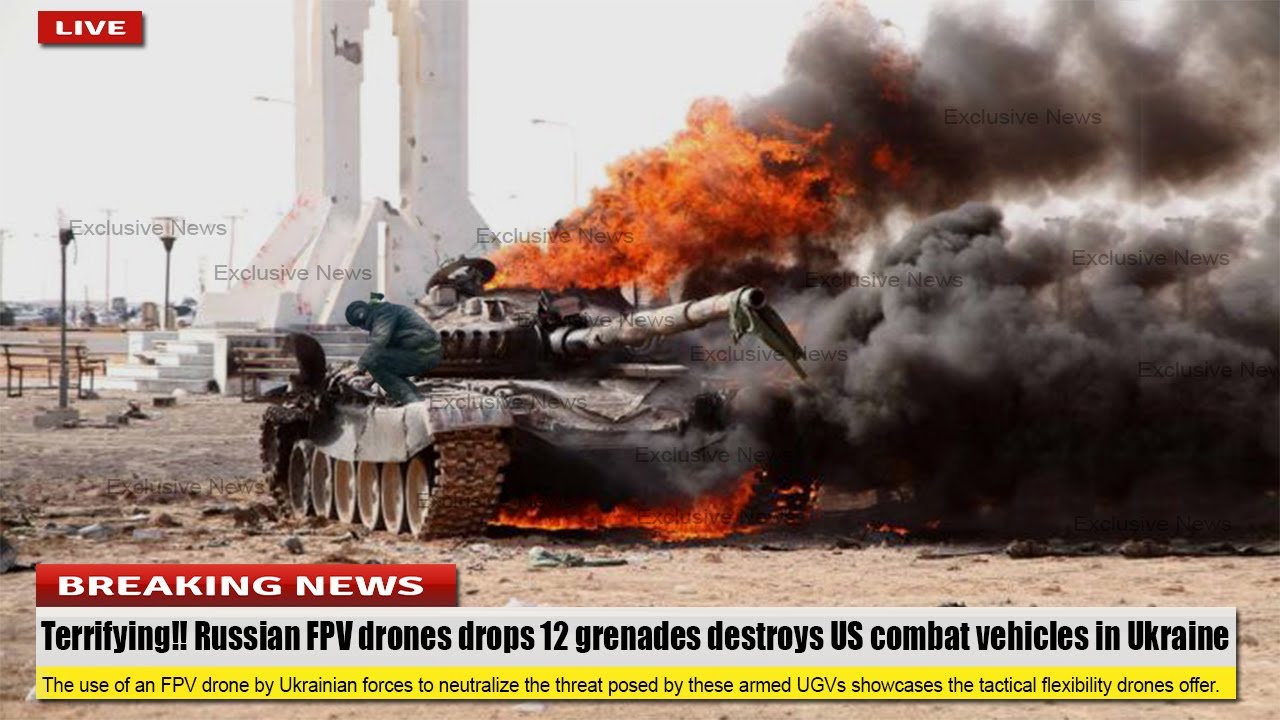
The thin, high-pitched whine is becoming as synonymous with this war as the rumble of artillery. It’s the sound of a consumer-grade drone, weaponized, adapted, and now a ubiquitous harbinger of dread for soldiers on both sides of the Ukrainian conflict. These aren’t the sophisticated, multi-million dollar Predators of Hollywood lore. These are often off-the-shelf quadcopters, jury-rigged to carry and release deadly payloads – grenades, mortars, even repurposed artillery shells. Across countless Telegram channels and now spilling onto YouTube, the footage is stark, brutal, and undeniably impactful: grainy aerial views of trenches, dugouts, and open fields, punctuated by the sudden bloom of explosions as Ukrainian drones rain down death. These videos, often raw and unfiltered, offer a chilling glimpse into the evolving tactics of this war, and the psychological toll exacted by this constant threat from above. They beg the question: In a war saturated with technology, is there anywhere left to hide?
Key Observations from the Drone’s Eye View
- Ubiquity of the Threat: The sheer volume of videos depicting drone grenade drops underscores how pervasive this tactic has become. It’s not an isolated incident, but a continuous, grinding pressure on Russian forces. The dates of the videos, spanning from August 2024 to February 2025, indicate this is an ongoing and likely escalating trend.
- Psychological Impact: Several video titles highlight the psychological aspect of these attacks. Titles like "Horrible! Ukrainian Drone Drop Grenades On Russian Soldiers In Foxhole Trench Warfare" and "Ukrainian Kamikaze Drones Carrying Grenade Brutally Blow Up One by One Russian Soldiers" suggest an intention to not only inflict casualties but also to terrorize and demoralize the enemy. The video descriptions, even when brief, often amplify this with terms like "brutally" or "calmly throws away bomb" (implying the unusual nature of such composure in the face of this threat).
- Varying Effectiveness: The videos present a mixed picture of effectiveness. While some show devastating direct hits and explosions, others, like "Russian soldier calmly throws away bomb dropped by Ukranian drone" and "Soldier Casually Throws Away Drone Dropped Grenade," illustrate instances where soldiers manage to evade or mitigate the threat. This suggests a dynamic interplay of tactics and counter-tactics is developing on the battlefield. The "calm" reactions, however, might be misleading bravado or simply moments captured out of a longer, more stressful reality.
- Exploiting Vulnerabilities: Videos like "Horrible! Ukrainian Drone Drop Grenades On Russian Soldiers In Foxhole Trench Warfare" specifically point to the vulnerability of entrenched positions to drone attacks. Trenches, traditionally seen as defensive fortifications, become death traps when attacked from above, offering limited protection against vertically dropped munitions.
- Escalation to Kamikaze Tactics: The video titled "Ukrainian Kamikaze Drones Carrying Grenade Brutally Blow Up One by One Russian Soldiers" hints at a potential escalation in drone warfare. The use of "kamikaze drones" suggests a shift towards more aggressive and potentially more damaging attacks, where drones are deliberately sacrificed to ensure impact. This raises concerns about the increasing lethality and intensity of drone warfare.
- Propaganda and Information Warfare: The video titles and descriptions, particularly those with sensationalist language and hashtags, also serve as tools of information warfare. They are designed to be shared widely, garner views, and shape public perception of the conflict, both domestically and internationally. The inclusion of hashtags like #ukrainewar, #russiaukrainewar, and #dronefootage enhances discoverability and reach.
Evolving Tactics: From Grenade Drops to Swarm Warfare?
The footage, while fragmented, paints a picture of rapid adaptation on the Ukrainian side. Initial videos may have focused on the novelty of drone grenade drops, showcasing individual strikes. However, the emergence of "kamikaze drone" videos and descriptions emphasizing trench warfare suggest a move towards more coordinated and strategically targeted drone operations. We might be witnessing the early stages of drone swarm tactics, where multiple drones are deployed simultaneously to overwhelm defenses or saturate an area with explosions. Furthermore, the counter-narrative videos – those showing soldiers defusing or evading grenades – likely indicate Russian forces are also adapting, developing protocols for drone detection, evasion, and potentially even drone countermeasures. This constant cat-and-mouse game of tactical evolution is a hallmark of modern warfare, and drone technology is accelerating this cycle.
The Unseen Cost
These videos, for all their visceral impact, are carefully curated glimpses. They rarely show the full consequences of these attacks. The screams, the mangled bodies, the long-term psychological trauma – these are largely absent from the readily available online footage. Yet, behind each grainy explosion and triumphant title, there are human stories of pain, loss, and fear. As OSINT analysts, we must be vigilant in examining the tactical and strategic implications of this technology, but never lose sight of the human cost of this increasingly digitized and dehumanized form of warfare. The "horror overhead" is not just the explosion itself, but the enduring shadow it casts on those living and fighting under the constant threat from the sky.
Scroll down to witness the drone’s perspective – a stark and unsettling view of modern conflict.
Don’t miss the videos below




About the Author