
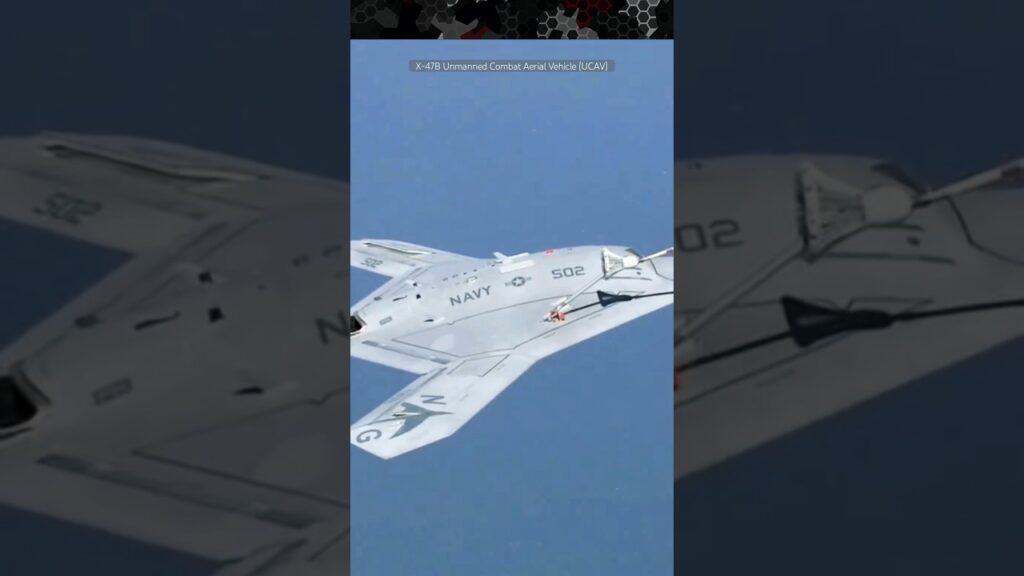
The Silent Revolution: Unmanned Aerial Refueling Takes Flight
The roar of jet engines is fading. Not disappearing entirely, of course – but increasingly being complemented by a quieter, more efficient force multiplier: unmanned aerial refueling. This isn’t some distant science fiction; it’s happening now, and the US Navy is leading the charge. From the dusty battlefields I’ve witnessed to the digital landscapes of OSINT analysis, the implications of this technology are profound. The YouTube videos showcased here offer a glimpse into this silent revolution, focusing on the capabilities of drones like the X-47B and the MQ-25 Stingray, and their impact on naval and air power projection. These videos, filled with footage of autonomous aerial refueling operations, raise crucial questions about the future of warfare and the expanding role of unmanned systems. Are we witnessing the dawn of a new era of aerial dominance? Let’s explore.
Key Takeaways from the Videos
- Successful Autonomous Refueling: Multiple videos demonstrate successful autonomous aerial refueling operations involving the X-47B unmanned combat aircraft, a significant technological leap. This proves the viability of the technology on a practical level.
- MQ-25 Stingray: The Workhorse: The Boeing MQ-25 Stingray is presented as a pivotal player in the US Navy’s strategy, designed to extend the range and operational capabilities of manned fighter aircraft. Its dedicated aerial refueling role is emphasized.
- Operational Capabilities: The videos highlight the operational capabilities of these UAVs, showcasing their ability to perform complex maneuvers and successfully refuel other aircraft in flight.
- Technological Advancement: The videos collectively underscore the rapid advancement in unmanned aerial vehicle (UAV) technology and its integration into naval operations. This isn’t just a theoretical exercise; these drones are functional and operational.
A New Era of Air Power? Analyzing the Trajectory
The videos paint a picture of remarkable technological progress, but also raise important strategic considerations. The ability to extend the range of fighter jets without relying on vulnerable tanker aircraft is a game-changer. This reduces logistical constraints, potentially enabling faster response times and more sustained operations. However, questions about the reliability of autonomous systems in complex combat scenarios remain. The potential for cyberattacks or system malfunctions needs to be carefully considered. Further research, including analysis from sources like the Center for Strategic and International Studies (CSIS) and the RAND Corporation, will be crucial to fully assess the long-term implications of this technology. The increased reliance on AI and autonomous systems also raises ethical concerns that deserve rigorous debate.
The Future is Airborne, and it’s Unmanned
The videos demonstrate that unmanned aerial refueling is no longer a futuristic concept, but a rapidly evolving reality. The US Navy’s advancements are shaping a new landscape for air power projection, potentially influencing strategies and doctrines across the globe. This technology, while promising, demands continued critical scrutiny. Scroll down now to watch the video highlights and delve deeper into this silent, yet powerful revolution.
Continue below to watch the videos


About the Author
