
Eyes on the Unseen Front: NATO’s SAPIENCE Program Takes Flight
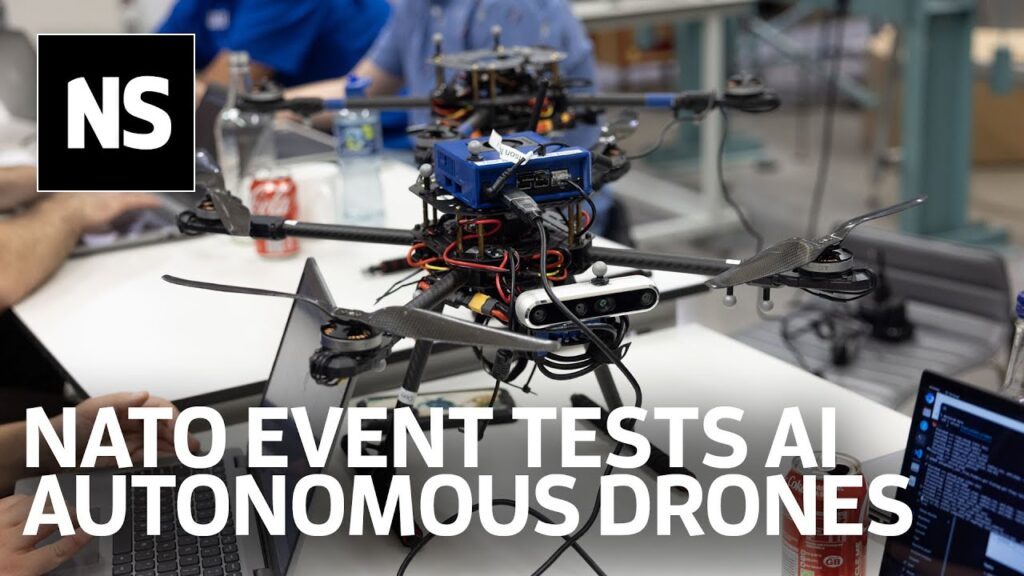
The air crackles with a different kind of tension now. It’s not just the guttural roar of jets or the percussive thump of artillery; it’s the silent hum of algorithms learning, adapting, evolving. From a nondescript basement in London, the future of warfare is being shaped, pixel by pixel, through the NATO SAPIENCE program. Imagine stepping into that sterile room, the air thick with the low thrum of servers and the focused intensity of researchers hunched over glowing screens. On those monitors, simulated disaster zones flicker – the digital rubble where autonomous drones navigate without human command, a direct response to the urgent lessons learned from conflict zones like Ukraine. The scent of stale coffee and the faint electrical hum paint a stark picture: the battlefield is extending into the realm of code, and NATO is striving to understand its new contours. This isn’t science fiction; this is the quiet revolution of autonomous drones, and the SAPIENCE program is its proving ground.
Key Insights from the Digital Front Lines
- Rapid Adaptation Driven by Real-World Conflict: The video explicitly connects the SAPIENCE program to the lessons gleaned from the ongoing conflict in Ukraine. Claudio Palestini, head of NATO’s Science for Peace and Security programme, states clearly, "We have regular contact with Ukraine where we understand what they are doing with technology. NATO is adapting to this new way of fighting." This isn’t theoretical brainstorming; it’s a direct, agile response to the evolving dynamics of modern warfare where unmanned systems play an increasingly critical role. The echoes of distant artillery fire seem to reverberate even in that London basement.
- Beyond the Battlefield: The Dual Nature of Innovation: While the video title focuses on "autonomous drones & war," a crucial element highlighted is the "dual nature" of the technology. Palestini emphasizes that the advancements within SAPIENCE are not purely military, aiming for applications in the commercial sector as well. The showcased simulation – an indoor search and rescue scenario mimicking the aftermath of a natural disaster – vividly illustrates this. Imagine the frantic hope of rescue workers relying on these autonomous eyes in the sky, navigating collapsed structures where human entry is too risky.
- AI-Powered Swarms and Collaborative Autonomy: The demonstration by the City St George’s team offers a glimpse into the technological specifics. Their deployment of two drones working cooperatively in a swarm, powered by deep-learning algorithms for navigation in GPS-denied environments, points towards a future where autonomous systems operate not as isolated units, but as a cohesive, intelligent force. The researchers’ confidence in their neural network approach for mapping damaged infrastructure underscores the sophistication being developed under the SAPIENCE banner.
- Competition as a Catalyst for Progress: While framed as a competition between research teams from the UK, US, Netherlands, and Austria, the SAPIENCE program is explicitly designed for acceleration and cooperation. The focus isn’t on a single "winner" but on the collective advancement of the field. This collaborative spirit, despite the competitive framing, highlights the shared urgency and recognition of the transformative potential of this technology.
- Emphasis on Reliability and Resilience: The technical explanation from Thomas Hickling, the PhD student, about using two drones for redundancy – "If one drone fails, you’ve got another one automatically. You can take over the jobs of the other drone" – speaks volumes about the practical considerations driving the development. In the chaotic and unpredictable environments of conflict or disaster relief, reliability isn’t a luxury; it’s a necessity.
The Algorithmic Tide: Charting the Course of Autonomous Warfare
The footage from this initial SAPIENCE event paints a compelling picture: NATO is actively investing in and exploring the capabilities of autonomous drones, driven by the urgent need to adapt to the realities witnessed in Ukraine and with a keen eye towards both military and civilian applications. The "DARPA-style competition" framing underscores a commitment to rapid innovation and the fostering of a competitive ecosystem of research. Looking ahead, one can anticipate the ethical discussions surrounding autonomous weapons intensifying alongside these technological advancements. The very notion of machines making life-or-death decisions on the battlefield demands careful consideration and robust safeguards. The faint, sterile hum emanating from that London basement is a precursor to a much louder conversation about the future of conflict, a conversation that NATO, through initiatives like SAPIENCE, is actively shaping.
Witness the Dawn of Autonomous Operations
Scroll down to see the highlighted moments from the video and gain a firsthand understanding of the innovative spirit driving NATO’s SAPIENCE program. The future of warfare is unfolding, and these are the first frames of a new, complex reality.
See the videos below

About the Author
