
The persistent hum of a drone preparing for automated launch – that’s the sound of progress in modern operations. Drone docking, once a futuristic concept, is rapidly becoming a practical reality, promising to reshape industries from agriculture to infrastructure. But what does this transition truly entail? The following video insights and analysis explore the core benefits and emerging challenges of integrating autonomous drone docking into commercial applications. The goal? Operational scalability while ensuring optimal reliability and compliance. Here you’ll find examples of real-world use cases and cutting-edge technologies that are pushing the boundaries of what’s possible with uncrewed aerial systems. From achieving complex Beyond Visual Line of Sight (BVLOS) approvals to integrating advanced software solutions and reliable weather monitoring, let’s dive in.
Key Insights and Takeaways
-
Automated Operations: Multiple videos emphasize that drone docking stations facilitate fully automated deployment, mission execution, and retrieval, streamlining operations without direct human intervention on each flight. This automation drives efficiency and significantly reduces labor costs, shifting emphasis to oversight and data interpretation instead of repetitive piloting.
-
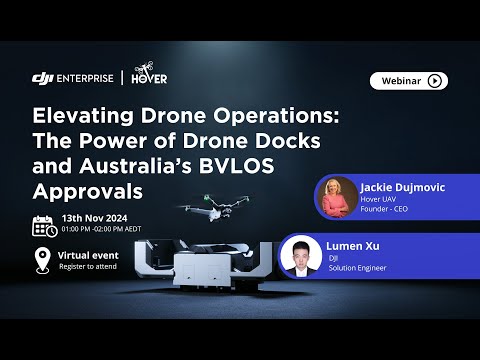
Beyond Visual Line of Sight (BVLOS) Approvals: The video from DJI Academy highlights Australia’s BVLOS approvals in the context of drone-in-a-box solutions. This development is critical as BVLOS operation is a pivotal requirement for effective automated drone docking infrastructure. Software like SORA-Mate can aid significantly with risk assessments for gaining such approvals.
-
Intelligent Weather Monitoring: ZAITECHNO demonstrates the importance of intelligent weather monitoring to ensure safe flights. These systems ensure deployments are safe by aborting operations when conditions are unfavorable. Weather monitoring integration contributes heavily to enhancing overall reliability, and these factors become crucial with increased automation.
-
Precise Landing and Navigation: QR code recognition systems, as showcased by ZAITECHNO, enhance the precision of automated drone landing procedures, assuring that even fully-autonomous systems can deliver repeat performance when retrieving and stowing drones back into their nests. Reliable precision with docking operations ensures equipment longevity and optimizes workflow continuity.
-
Diverse Industrial Applications: Videos from various providers all indicate a growing range of industrial applications for drone docks, including energy, agriculture, inspections, and delivery services. Such versatility underscores the impact docking stations can have across varied commercial applications, especially in situations that involve dangerous terrain, extreme distance, and/or repeated tasking.
-
The 4G/5G Connectivity Standard: Several of the featured video descriptions noted the need for connectivity via 4G and 5G, a key requirement when integrating drone docking into a scalable automated network across great distances that involve reliable and uninterrupted control over the drone asset(s). This aspect of reliable and consistent connectivity has the potential to unlock much greater potential for widespread use in more remote operations.
Beyond the Nest: A Look at Operational Integration
The rapid evolution of drone docking technology reflects a larger industry trend towards complete automation and operational resilience in remote sensing applications. As more sectors embrace uncrewed platforms for delivery, surveillance, inspections, and other needs, the infrastructure to support large-scale automated drone deployments becomes increasingly vital. A future is coming that involves more fleets, integrated software solutions, and better network connectivity working seamlessly together. Drone docking technology represents a convergence point for many technologies to better automate business processes.
Elevating Operations to the Next Level
The future of drone operations is being transformed by innovations like these, from improved precision landings, remote, long-range deployments and sophisticated weather systems, we are rapidly evolving to an age of remote automated drone solutions that only a few years ago, were science fiction. Now that you’ve explored the major takeaways, take some time to view each video and consider how this emerging technology can elevate your operations.
The curated videos await below


About the Author
