
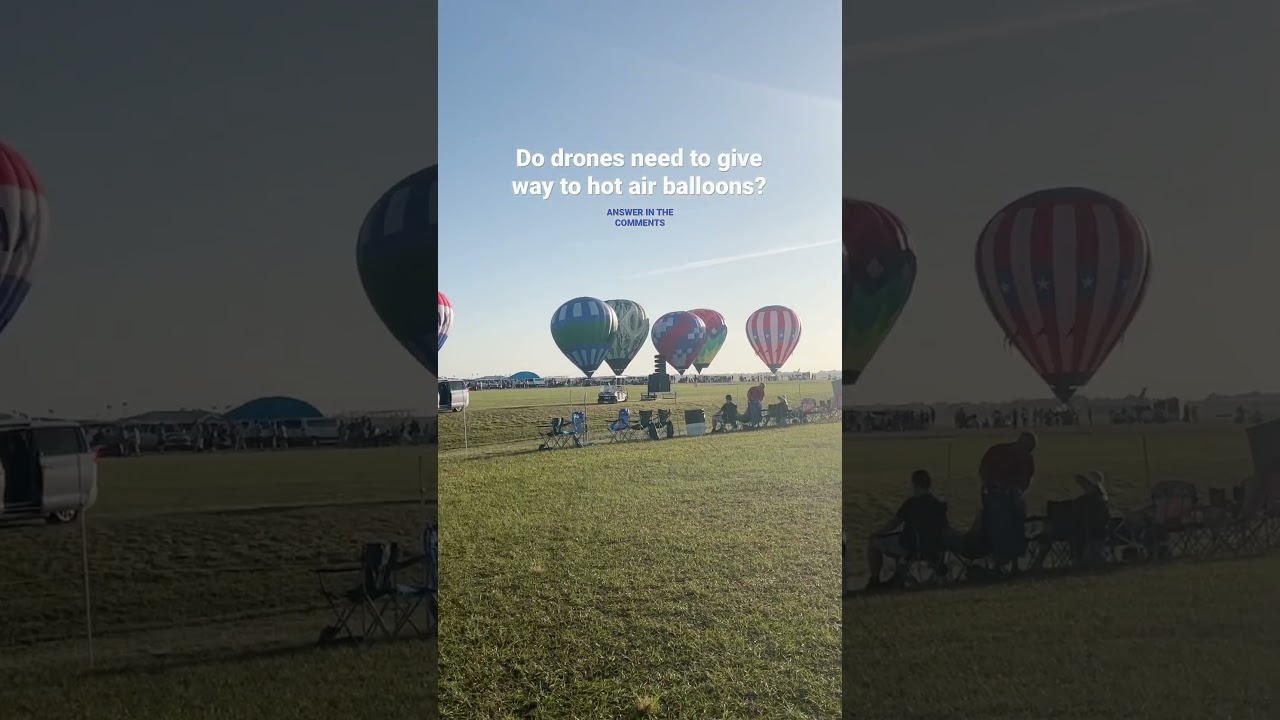
Understanding Drone Right-of-Way: A Critical Look at FAA 49 USC 44809
The skies are becoming increasingly populated, and as drone pilots, understanding the rules of the road – or rather, the air – is paramount. One of the most crucial aspects of safe and legal drone operation is knowing who has the right-of-way. FAA regulation 107.37, directly linked to the broader framework of 49 U.S.C. 44809, clearly dictates this. But what does it really mean in practice? How does this impact your flight operations? Let’s delve into a key insight highlighted in a recent discussion on this very topic.
Key Insight: Drones Must Yield
- Unambiguous Responsibility: The core message is clear: according to both 107.37 and 49 U.S.C. 44809, drone pilots bear the responsibility to yield the right-of-way to all other aircraft. This isn’t a suggestion; it’s a mandate.
- Comprehensive Yielding: The phrase "all other traffic" is significant. It encompasses not just manned aircraft like airplanes and helicopters, but also other unmanned aircraft. Maintaining situational awareness is therefore critical to identify and avoid potential conflicts.
- Proactive Avoidance: This regulation necessitates a proactive approach to flight planning and execution. Pilots must anticipate potential encounters and take decisive action to avoid them, rather than reacting at the last moment.
Navigating the Shared Airspace: Practical Implications
This fundamental rule underscores the importance of several key operational practices. As professional drone pilots, we understand that simply knowing the rule isn’t enough; we need to internalize its implications for every flight. This means meticulous pre-flight checks, including assessing potential air traffic in the operating area. Utilizing tools like ADS-B receivers (where permitted and applicable) and maintaining constant visual observation are not just good practice, they are essential for compliance and safety. Imagine you’re conducting a site survey near a small, uncontrolled airport. Even if you don’t hear or see other aircraft initially, the responsibility to yield remains. A sudden, unexpected aircraft appearing over the horizon requires immediate action on your part to ensure separation. This isn’t just about avoiding a collision; it’s about fostering a culture of respect and predictability in the airspace.
Stay Informed, Fly Safe
Understanding the nuances of regulations like FAA 49 USC 44809 is an ongoing process. The information shared by fellow pilots and instructors is invaluable in reinforcing these critical safety principles. To gain a deeper understanding of this specific aspect of right-of-way and its practical applications, we encourage you to explore the video discussion below.
Scroll down for the highlighted videos

About the Author


