
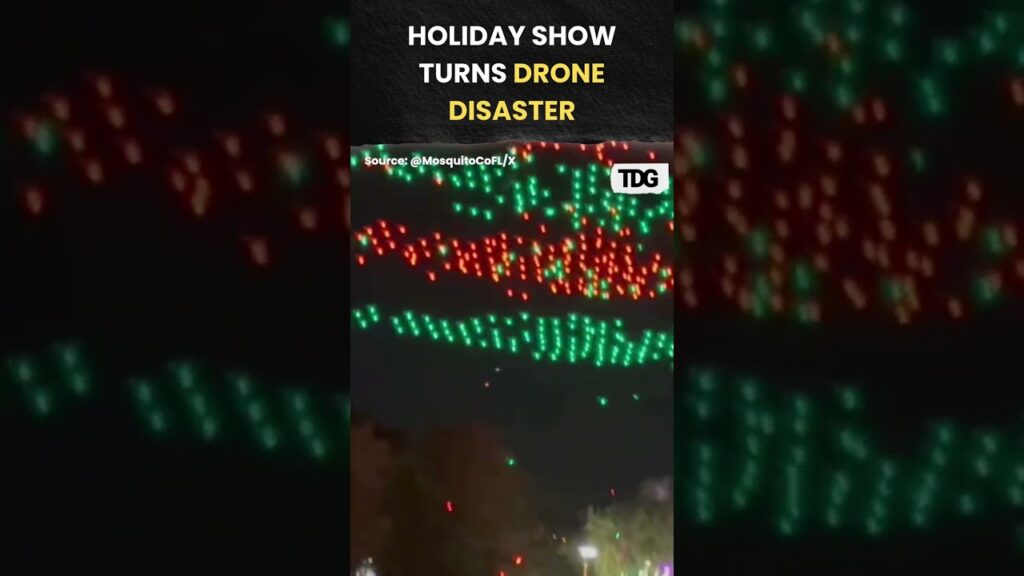
Unpacking the Orlando Drone Show Incident: A Wake-Up Call for Aerial Safety
The festive glow of holiday lights turned somber in Orlando as a drone show, intended to dazzle, instead delivered a chilling reminder of the risks inherent in complex aerial operations. News outlets quickly captured the unfolding drama – drones colliding mid-air and plummeting into the spectator area, tragically injuring a child. This wasn’t a remote incident; it was a stark, public failure that demands our attention as drone professionals and enthusiasts. The videos circulating online offer fragmented glimpses into the event, but collectively, they paint a concerning picture. Let’s dissect these initial reports to understand what we can glean about drone show safety and the critical need for rigorous operational protocols when we take to the skies, especially over crowds. The chilling reality of "drones collide" has moved from a theoretical risk to a tangible consequence, demanding immediate reflection and action within our industry.
Key Insights from Video Reports:
- Mid-Air Collision Confirmed: Multiple videos explicitly state and visually imply a mid-air collision as the primary cause of the drone malfunction. This immediately flags potential issues with flight planning, airspace management, or unforeseen technical glitches during the performance.
- Spectator Area Impact: Drones did not simply fail; they fell into the crowd. This highlights a critical failure in the safety buffer zones and emergency protocols expected at professional drone shows. The videos underscore the vulnerability of spectators when aerial operations go wrong.
- Child Injured: The most devastating takeaway is the injury to a child. This transforms the narrative from a technical mishap to a human tragedy, emphasizing the real-world consequences of compromised drone safety. The severity of the injury, as reported by some outlets mentioning hospitalization and even open-heart surgery, elevates the urgency of addressing these risks.
- FAA Investigation Initiated: The immediate involvement of the Federal Aviation Administration (FAA) signals the seriousness of the incident from a regulatory perspective. An FAA investigation will scrutinize all aspects of the operation, from pre-flight planning and drone maintenance to on-site safety procedures and operator qualifications. This investigation’s findings will likely shape future regulations and best practices for drone shows nationwide.
- Operator Identified: Sky Elements Drones, a North Texas-based company, is identified as the operator. This detail is relevant for understanding the scale and experience level of the operation. It also brings into focus the accountability of drone show operators to adhere to the highest safety standards.
- Public Awareness Spike: The high view counts and comment activity on these videos demonstrate significant public interest and concern. This incident is not just an industry issue; it’s a public safety concern that is being actively discussed and scrutinized. The term "drones collide" is now associated with real-world harm in the public consciousness.
Navigating the Airspace: Preventing Future Collisions
While the investigation is ongoing and detailed technical explanations are pending, as a drone pilot and instructor, certain immediate concerns arise from these initial reports of "drones collide." Drone shows, especially those involving complex formations and synchronized movements, rely heavily on precise GPS positioning and sophisticated flight control software. However, the very nature of outdoor environments introduces variables that can disrupt even the most meticulously planned operations. Potential factors contributing to mid-air collisions could include:
- GPS Signal Degradation: Urban environments, especially those with tall buildings, can experience GPS signal multipathing or temporary loss. While redundant systems are typically in place, unforeseen interference can still occur.
- Software Glitches or Errors: Complex flight choreography is programmed and executed by software. Bugs, coding errors, or unexpected software interactions could lead to deviations from planned flight paths and increase collision risks.
- Unforeseen Environmental Factors: Sudden wind gusts or changes in air density, although ideally accounted for in pre-flight planning, can still introduce unexpected forces on drones, particularly smaller, lighter models often used in shows.
- Radio Frequency Interference: In crowded urban environments, radio frequency interference can disrupt communication between the ground control station and the drones, potentially leading to control issues and deviations from planned flight paths.
- Human Error in Programming or Monitoring: While drone shows are highly automated, human oversight is crucial. Errors in programming flight paths, inadequate pre-flight checks, or lapses in real-time monitoring could contribute to collisions.
Moving forward, the industry must double down on safety protocols. This includes:
- Enhanced Redundancy in Navigation and Control Systems: Beyond standard GPS redundancy, exploring alternative navigation technologies and even more robust fail-safe mechanisms is critical.
- Rigorous Pre-Flight System Checks and Simulations: Comprehensive pre-flight checklists and advanced simulations that account for various environmental conditions and potential system failures are essential.
- Dynamic Airspace Management and Collision Avoidance: Developing and implementing more sophisticated real-time airspace management systems and drone-to-drone communication protocols for collision avoidance could be a game-changer.
- Standardized Safety Buffer Zones and Emergency Procedures: Clearly defined and strictly enforced safety buffer zones, along with well-rehearsed emergency procedures for crowd control and drone recovery in case of malfunctions, are non-negotiable.
- Pilot and Crew Training and Certification: Elevating the standards for pilot and crew training specifically for drone show operations, with a strong emphasis on risk assessment, emergency response, and advanced flight control techniques.
Learning from Setbacks: Elevating Drone Show Safety
The Orlando incident is undoubtedly a setback for the drone show industry, but it also presents a crucial opportunity for growth and improvement. The vivid imagery of "drones collide" serves as a stark reminder that even seemingly routine aerial operations carry inherent risks. By meticulously analyzing the causes of this incident and proactively implementing enhanced safety measures, we can work to ensure that future drone shows are not only spectacular but, above all, safe for performers and audiences alike.
Want to see the news reports firsthand? Scroll down to watch video highlights of the Orlando drone show incident and join the conversation about drone safety.
Keep reading for the highlighted videos


About the Author
