Eyes in the Sky: FPV Drones Offer a Grimly Intimate View of Ukraine’s Counteroffensive Against Russian Armor
The drone’s perspective is unlike any other in modern warfare. It’s a silent observer, a metallic insect flitting across the ravaged landscape, but also a deadly instrument of destruction. As Ukraine presses its counteroffensive, the ubiquitous buzz of First-Person View (FPV) drones has become a signature sound of this brutal conflict. These nimble machines, piloted remotely, offer a startlingly intimate – and often gruesome – look at the battles unfolding against Russian armor. The YouTube videos analyzed below, raw glimpses captured from the digital front lines, paint a stark picture of this evolving form of warfare, forcing us to confront its realities in a way traditional battlefield reporting often couldn’t. We aren’t just reading about tank losses; we are witnessing the final, fiery moments.
Key Takeaways from the Digital Battlefield
-
The Ubiquitous Threat: Video 1, "Ukrainian FPV drones Destroy a russian Convoy," while simply titled, speaks volumes. The casual confidence in the title suggests this isn’t an isolated incident. The sheer existence of footage depicting the destruction of an entire convoy by relatively inexpensive drones highlights a significant vulnerability for armored columns. One can almost feel the pilot’s focus, the subtle adjustments, as the drone hurtles towards its target. The description, though laced with nationalist sentiment, underscores the relentless nature of the fighting, referencing "1023 days" of war. This isn’t a fleeting engagement; it’s a grinding war of attrition where technology is wielded with increasing precision.
-
Close-Quarters Carnage: "Brutally ! Ukrainian Drones control battles between Ukrainian and Russian armored vehicles" (Video 2) offers a chilling perspective on the drone’s role in direct armored engagements. The exclamation mark in the title feels almost like a shout from the operator, reflecting the intensity of the moment. The description’s hashtag avalanche (#ukraine #russia #fpvdrone etc.) is a crude but effective SEO tactic, a digital scream in the void hoping to be heard. But beyond the noise, the core message is clear: drones aren’t just for static targets; they are active participants in the chaotic ballet of tank warfare, influencing and even dictating the outcome. Imagine the tension in the operator’s hands as they navigate the drone through that deadly arena, the fate of soldiers potentially hinging on their skill.
-
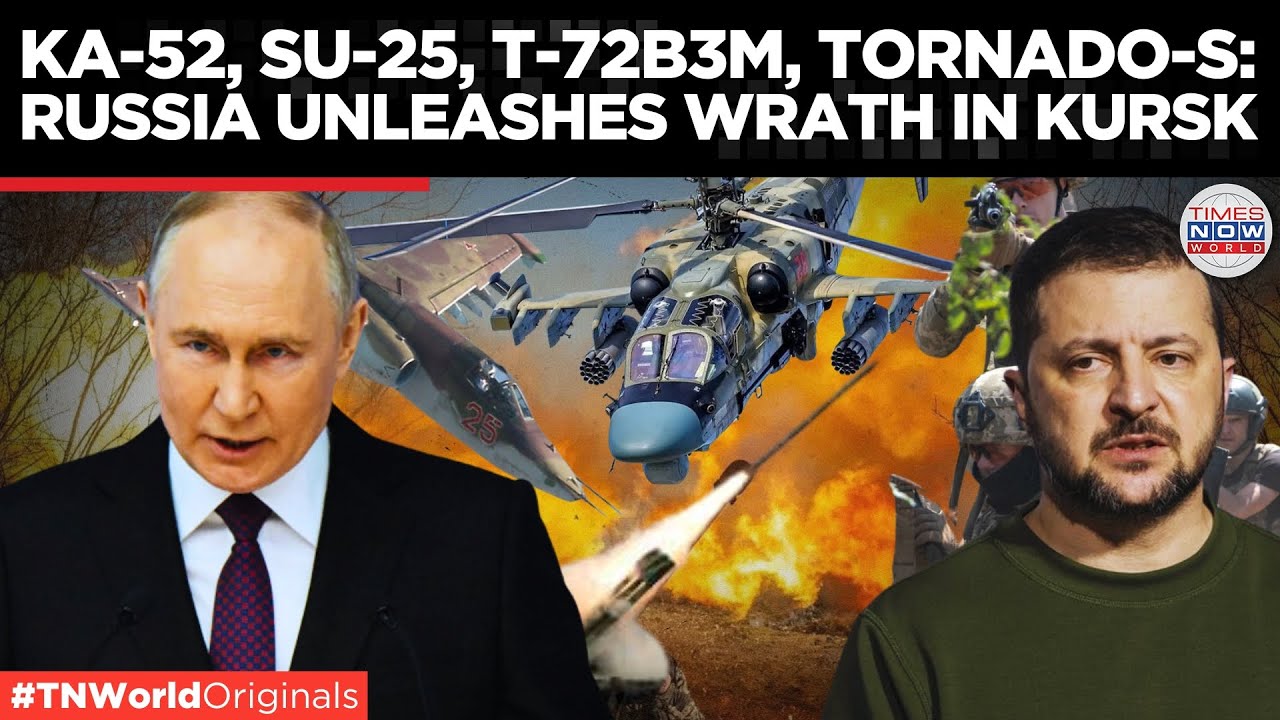
Asymmetrical Capabilities and the Propaganda War: Video 3, "Kursk: Russia Deploys Advanced Weaponry Against Ukraine, Intense Battles Rage On | Times Now World," presents a stark contrast. This is a news report, filtered through the lens of a major media outlet, and notably, it highlights Russian successes, mentioning advanced weaponry like Ka-52 helicopters and Tornado-S rocket systems. Crucially, it also mentions "Russian FPV drones successfully neutralizing Ukrainian UAVs." This suggests a reciprocal evolution in drone warfare – not just offensive capabilities, but also the development of counter-drone measures. The inclusion of specific equipment names like the T-72B3M tank signals an appeal to an audience interested in the technical aspects of military hardware. The mention of the Kursk region, a historically significant location in Russo-German conflict, adds a layer of historical resonance, whether intentional or not. The polished presentation and focus on Russian capabilities serve as a reminder that the information landscape itself is a battlefield.
The Drone’s Shadow: A New Dimension of Conflict
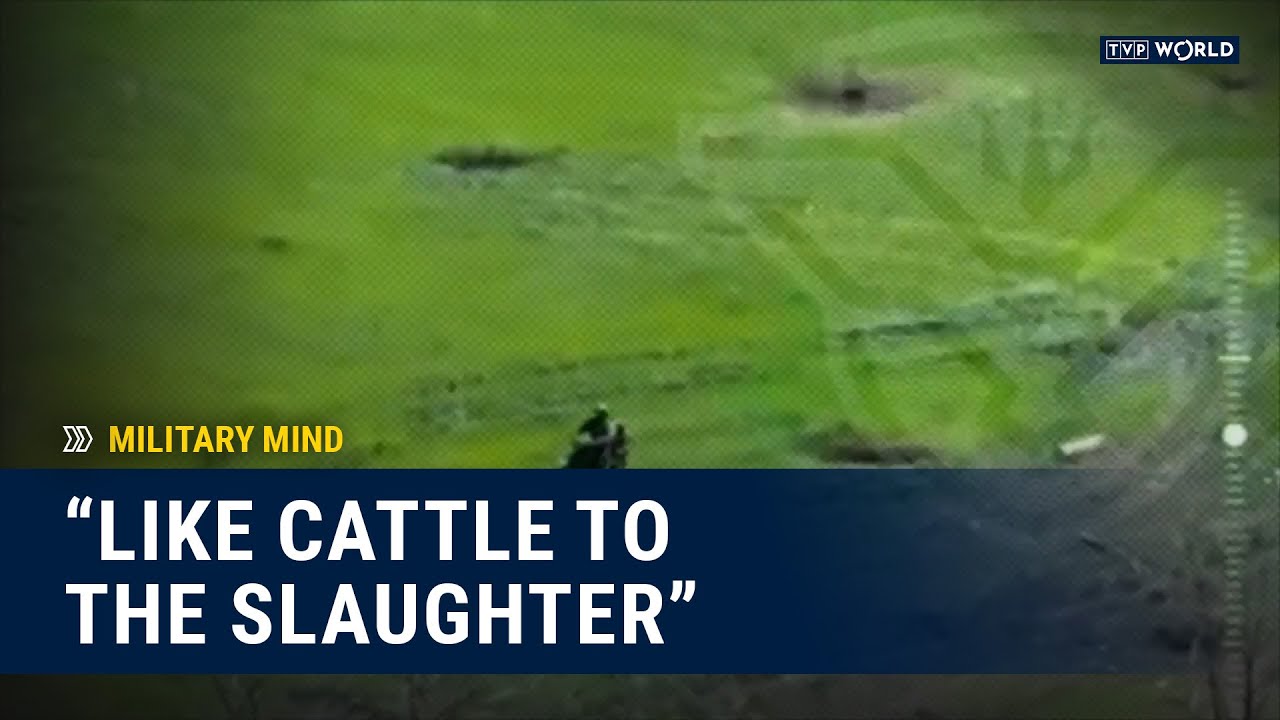
These snippets from YouTube offer more than just combat footage; they provide raw, unfiltered glimpses into the evolving dynamics of this war. The first two videos, seemingly shot from the perspective of Ukrainian drone operators (or their allies), showcase the devastating effectiveness of FPV drones against Russian armor. The immediacy and brutality of the attacks are jarring. You can almost smell the burning diesel, hear the crackle of radio chatter in the background. The low resolution and shaky footage only amplify the sense of being there, a witness to a violent reality.
Conversely, the Times Now World report (Video 3) highlights the Russian perspective, showcasing their advanced weaponry and, importantly, their own use of FPV drones for counter-UAV operations. This underscores a crucial point: this isn’t a one-sided technological advantage. Both sides are adapting and innovating in the drone domain. The Kursk region mentioned in the title serves as a powerful historical echo, a deliberate or unconscious link to past conflicts on this bloody ground.
The proliferation of these inexpensive yet potent drones has undeniably altered the calculus of armored warfare. The traditional dominance of tanks is being challenged by a swarm of agile attackers, piloted by individuals often miles away, their faces illuminated by the glow of a screen.
Beyond the Buzz: Understanding the Shifting Sands
The integration of FPV drones into the Ukrainian counteroffensive marks a significant tactical shift. These are not the high-altitude reconnaissance drones of the past. These are kamikaze drones, precision-guided munitions that can strike vulnerable points on even advanced armor. The relatively low cost of these drones, compared to traditional anti-tank missiles or artillery shells, makes them an attractive option for a military seeking to maximize its impact with limited resources. We are witnessing a democratization of firepower, putting sophisticated offensive capabilities into the hands of small, agile units.
However, as the Russian report from Kursk suggests, this is an evolving game. The development of effective counter-drone measures, both electronic and kinetic, is likely to become a major focus for both sides. The future of this conflict will likely see a constant cycle of innovation and counter-innovation in the drone arena.
The Unseen Pilots: Scrolling Deeper into the Conflict
These videos offer fleeting glimpses, snapshots of destruction in a long and brutal war. But behind each drone, behind each successful strike, is a human being. A pilot making split-second decisions, navigating a chaotic three-dimensional space, their senses heightened by the urgency of the moment. To truly understand this conflict, we must look beyond the fiery explosions and acknowledge the human element on both sides of the screen. Scroll down to witness these engagements firsthand – a grim but essential perspective on the realities of modern warfare.
Watch the selected videos below



About the Author