
Ensuring a Safe Flight Home: Decoding DJI Mini 3 Return to Home Accuracy 🔬
As drone pilots, we understand that a reliable Return to Home (RTH) function is more than just a convenience – it’s a critical safety feature. When battery levels are low, or signal is lost, the ability for your DJI Mini 3 to autonomously navigate back to its launch point is paramount. Recent discussions and tests within the drone community, particularly highlighted in YouTube videos, delve into the accuracy of this vital function. Are the updates improving performance, or are there still nuances pilots need to be acutely aware of? This analysis examines key insights from these videos, providing you with a practical understanding of DJI Mini 3 RTH accuracy and how to ensure your flights are as safe and efficient as possible.
Key Takeaways from RTH Accuracy Tests
Here’s a breakdown of the critical observations and discussions emerging from the analyzed YouTube videos regarding the DJI Mini 3’s Return to Home accuracy:
-
Post-Update Scrutiny (Video 1): The video titled "DJI mini 3 – Is RTH accurate enough ?? 😰" directly questions the reliability of the RTH function following recent DJI firmware updates. The creator, Nicolas Anst, highlights a concern that updates intended to improve performance might have introduced new issues. This underscores the importance of continuous testing and observation within the pilot community after any software changes. While the short format might not provide exhaustive data, the raised question itself is significant for pilot awareness. The visual of the drone’s landing point in the video (if available) would be crucial in assessing the perceived accuracy.
-
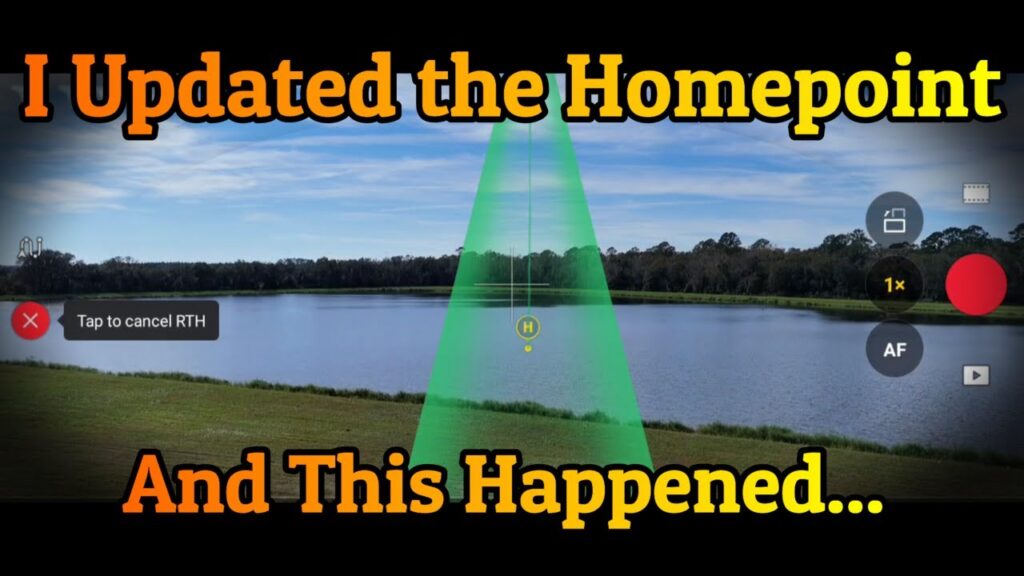
Home Point Updates and Comparative Performance (Video 2): The "Return to Home Test / Update Home Point / DJI Mini 4 Pro vs Mini 2" video offers a comparative perspective, looking at how accurately the home point can be updated and the subsequent RTH performance. The comparison between the Mini 4 Pro and the Mini 2 provides valuable context, even though it doesn’t directly test the Mini 3. The mention of a "malfunction" during the Mini 4 Pro test is a noteworthy detail, reminding us that even advanced systems can experience unexpected behavior. Understanding the nuances of updating the home point, especially in dynamic environments, is critical for safe operations. The video’s exploration of this feature emphasizes a practical aspect of RTH that pilots frequently utilize.
-
The Need for Consistent Testing: Both videos, in their own way, highlight the importance of pilots conducting their own RTH tests in various environments. Relying solely on manufacturer specifications isn’t enough; real-world scenarios and potential environmental factors can influence accuracy. This proactive approach to verifying RTH performance is a cornerstone of responsible drone operation.
-
Community Engagement and Information Sharing: The reference to "Shaun the Drone" in Video 2’s description illustrates the value of the drone pilot community in sharing experiences and testing methodologies. This collaborative spirit helps to build a more comprehensive understanding of drone behavior and identify potential issues.
Operational Insights: Factors Influencing RTH Precision
From a pilot’s perspective, understanding the why behind potential RTH inaccuracies is just as important as observing the what. Several factors can influence how precisely your Mini 3 returns home:
-
GPS Signal Strength and Interference: The Mini 3 relies heavily on GPS for navigation. Obstructions like dense foliage, tall buildings in urban canyons, or even atmospheric conditions can degrade the GPS signal, leading to positional inaccuracies. Visually, this might manifest as the drone hovering slightly off the takeoff point or taking a less direct route home. Before each flight, I always perform a pre-flight check, observing the number of GPS satellites acquired by the drone. A strong, stable GPS lock is the foundation of accurate RTH.
-
Compass Calibration: The drone’s compass is crucial for orientation. Interference from magnetic fields (think underground power lines, metal structures) can throw off the compass reading, impacting the drone’s ability to navigate accurately. I’ve experienced situations where flying near construction sites with heavy machinery caused noticeable deviations in the drone’s flight path. Regular compass calibration, performed in an open area away from potential interference, is a non-negotiable step in my pre-flight routine.
-
Home Point Accuracy and Updates: As highlighted in Video 2, the accuracy of the set home point is paramount. While the drone automatically records the takeoff location, manually updating the home point can be necessary in certain scenarios. However, ensure the updated location is precisely where you intend the drone to return. Visual confirmation of the home point on the map before initiating RTH is a best practice.
-
Environmental Conditions: Strong winds can significantly affect the drone’s trajectory during RTH. The drone will compensate, but it might overshoot or undershoot the landing point depending on the wind direction and strength. Observing the wind conditions and factoring them into your flight plan is crucial. I often visualize the potential wind drift during RTH to anticipate the drone’s final landing area.
-
Obstacle Avoidance System: While beneficial, the obstacle avoidance system can sometimes lead to slight deviations during RTH as the drone navigates around detected obstacles. Understanding the limitations of the system and ensuring a clear path for RTH, where possible, is important.
Ensuring Reliable Returns: Best Practices for Mini 3 Pilots
Based on the analyzed videos and my experience as a drone pilot and instructor, here are key steps to maximize the reliability of your DJI Mini 3’s Return to Home function:
-
Pre-Flight Checklist Discipline: Always perform a thorough pre-flight check, including verifying GPS satellite count, compass calibration status, and setting the appropriate RTH altitude (high enough to clear obstacles).
-
Visual Confirmation of Home Point: Before takeoff, and especially if updating the home point, visually confirm its accuracy on the DJI Fly app map.
-
Regular RTH Testing: Conduct RTH tests in controlled environments to observe your drone’s behavior and landing accuracy. Vary the distance and altitude to get a comprehensive understanding.
-
Monitor Environmental Conditions: Be aware of wind speed and direction, and factor these into your flight plan, especially when relying on RTH.
-
Understand RTH Activation Triggers: Familiarize yourself with the different scenarios that trigger RTH (low battery, signal loss, manual initiation) and the drone’s behavior in each case.
-
Stay Updated on Firmware: While Video 1 raises concerns about updates, keeping your drone’s firmware current is generally recommended for accessing the latest features and bug fixes. However, be mindful of community feedback after major updates and consider testing RTH functionality after updating.
Navigating the Skies with Confidence
The discussions sparked by these YouTube videos underscore the importance of continuous learning and critical evaluation within the drone community. While the DJI Mini 3 offers a sophisticated RTH system, understanding its nuances and potential limitations is paramount for safe and successful flights. By diligently following best practices, staying informed, and conducting your own tests, you can confidently leverage the Return to Home function as a crucial safety net, ensuring your Mini 3 always finds its way back. Scroll down to explore the video highlights and delve deeper into the specific tests and observations shared by fellow pilots.
View the highlighted videos below


About the Author
